 searchingtosee

In the gallery
Posted on March 4, 2013




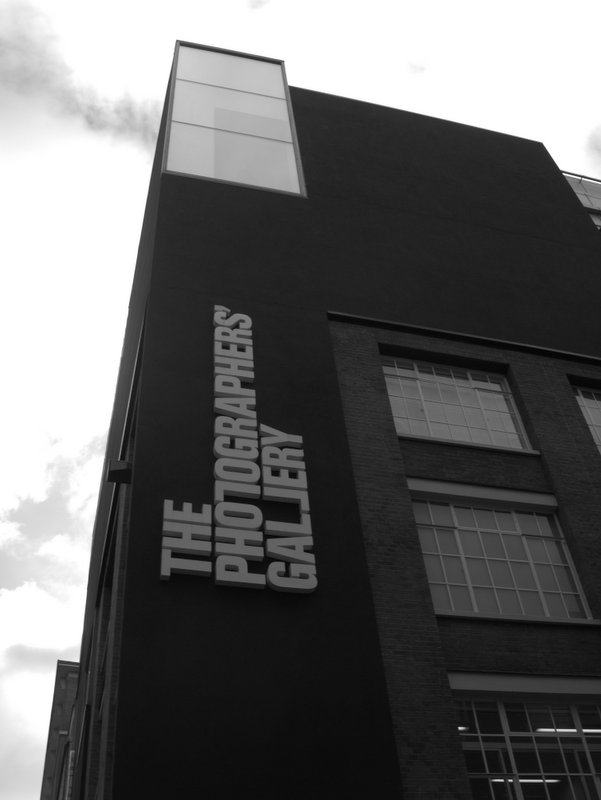
I took a trip to the Photographer’s gallery with Alex. It was the first time I had been there since the gallery found its new home on Ramillies Street. It’s a great spot; very quiet, understated, yet just yards from the frenzied consumerism of Oxford Circus. A “behind the scenes” glimpse, if you like. I used to visit the gallery often when it was in Great Newport Street. It was a bit of a sanctuary for me when I was studying. I always enjoyed the cafe, and the bookshop, and I’m pleased to say that these are still there, and much improved. I could spend hours, literally, browsing in that bookshop, but Alex had to drag me away eventually! Five floors dedicated to photography was also a real treat.
There is an excellent exhibition: Perspectives on collage currently on. Collage is something I have been thinking about a lot recently, so it was very inspiring, and gave me much to think about.
I would thoroughly recommend a visit. It really is a fantastic space (and of course I took some pictures).
© images and content Emily Hughes and searchingtosee, 2013
Nature’s sweet promise
Posted on March 2, 2013

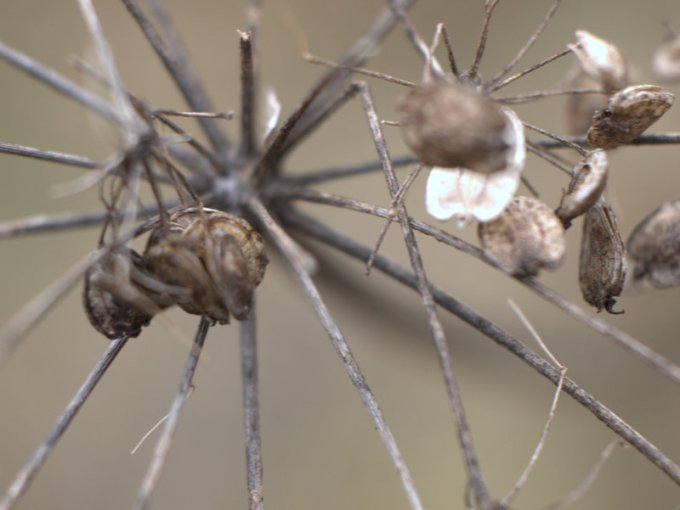

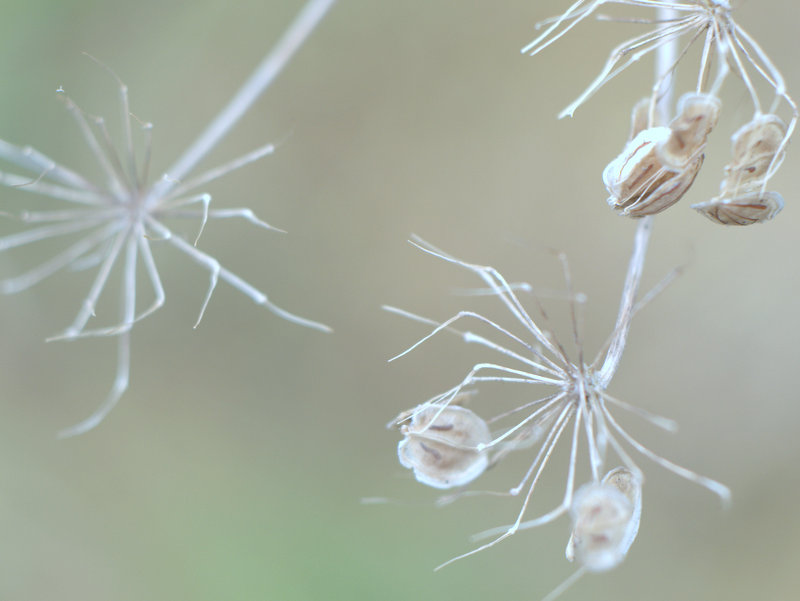
It’s still so cold and bleak out.
As I walked my feet trod a dubious path of churned up mud and wasted bracken. I nodded at occasional dog walkers. Grim smiles. It was a cold day, and I kept my gloves on until I needed to take a shot. The wind whipped up around me on the open fields, and stung through the gaps in my loosely woven woolen hat. Inadequate, I now realised. I pulled it tighter under my chin and sought out bushes and hedgerows for shelter. I had my tripod, but decided to chance it, and when I squeezed the shutter I held my breath and stilled myself against the wind.
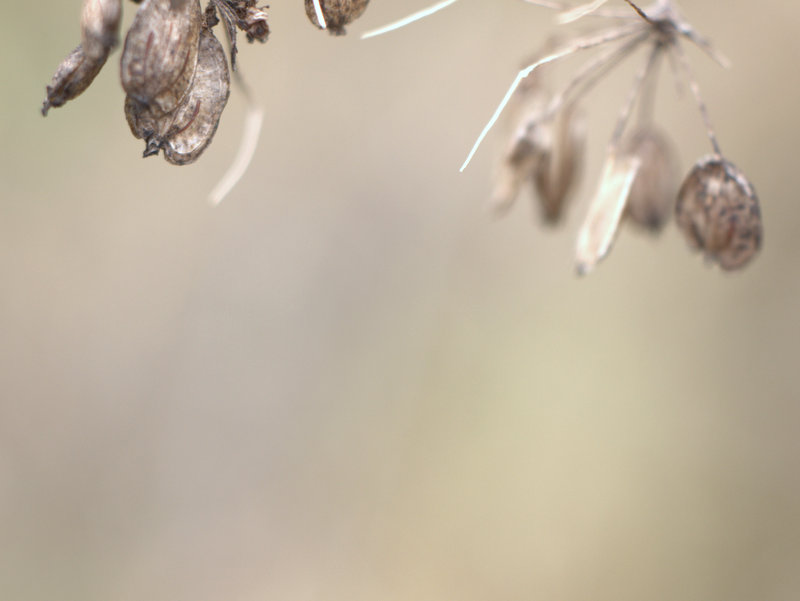
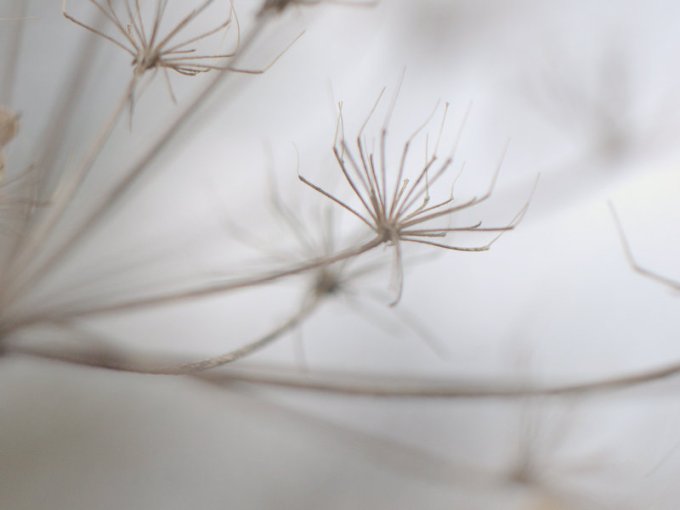
The lens picked out ghostly apparitions of dead seed heads dangling dejectedly. Their spidery limbs turned upwards, as if beseeching. They seemed to be whispering their final confession to winter’s close. When I visited them in Autumn they yet guarded a thousand jewel-like secrets; tight, alert and intent, but now they hung open carelessly, tired and resigned. Their secret treasures spent, abandoned.
After a while the wind stilled a little, and the sun showed up and played a little game of hide and seek, dancing capriciously behind the clouds.
Eventually I found what I was looking for amongst the amongst the razed, endlessly barren fields, the naked trees, the menacing thorns and the brittle, tangled weeds: Embryonic signs of almost-life
It was sweet, deliciously candy coloured, and perfectly poised. The tiniest burgeoning sprouts and shoots. Budding. Nudging into newness. Promising life, warmth and light.
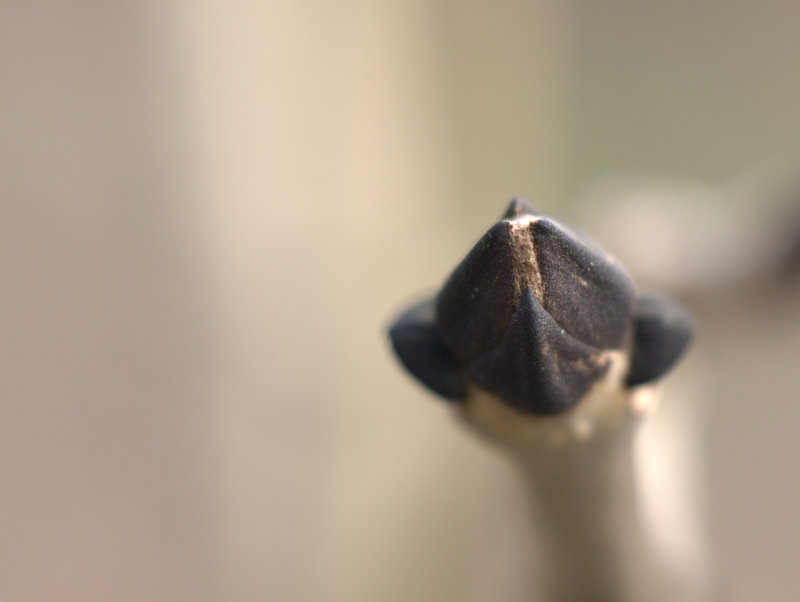

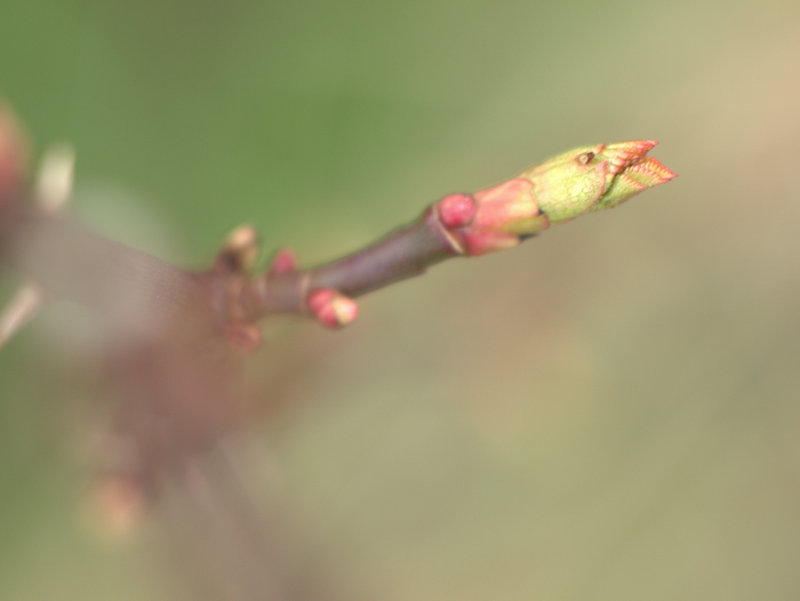
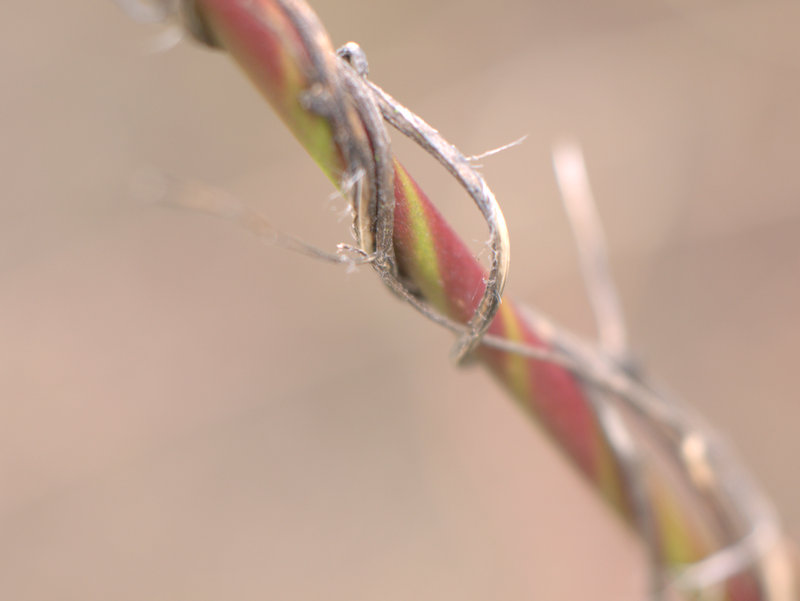
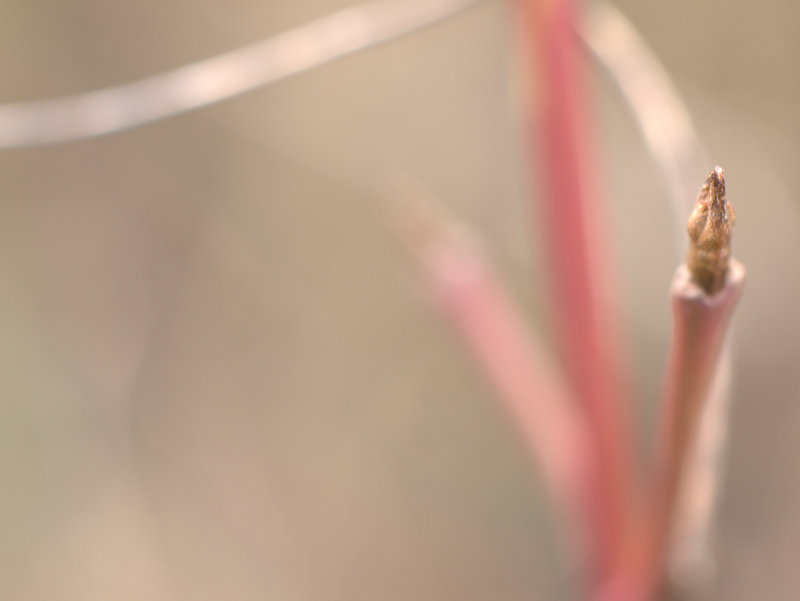
I ran home like a child with a smile on my face. My cheeks rosy pink; my heart humming in time with the carefree twittering of the birds.
© images and content Emily Hughes and searchingtosee, 2013
The thread
Posted on February 20, 2013


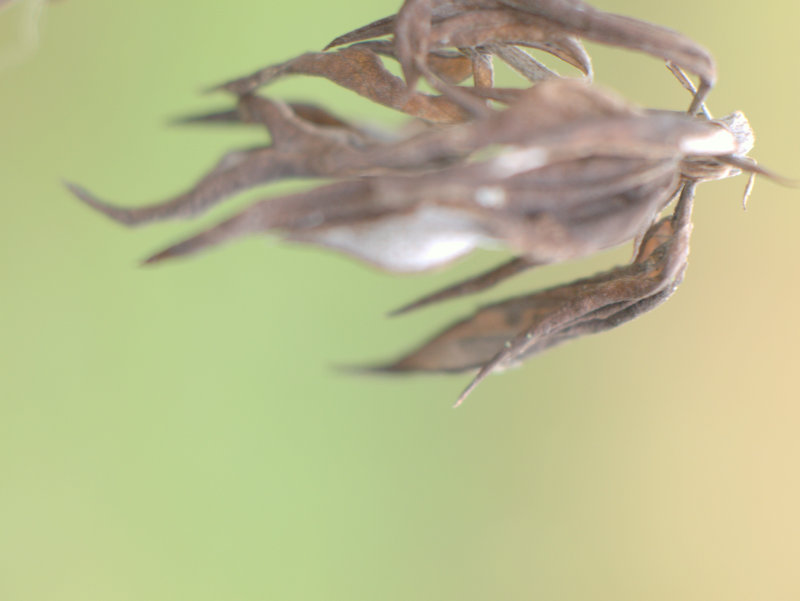
 She worried at her memory, tugging gently at soft silken skeins tightly bound by neglect and smudged by time. She smoothed them apart, just as she smoothed out her lines every evening at the bathroom mirror with the pads of her fingertips. They always came back, those little rivers, carving out a pale etching of her life. Each laugh, each frown, each smile. The same every time. The tears when they come remember the tracks easily enough.
She smoothed the delicate threads apart, combed them carefully and set about the meticulous task of unraveling the tangled fictions of forgotten pasts. They were slippery, but surprisingly weighty, draping heavily through her long thin still nimble fingers like an expensive chiffon. But they lay limp and heavy in paper-frail arms. She laid them out flat, those strands, so fine like spaghetti, or perhaps the hair of an angel. Tricky not to let the straight, perfect lines snarl up. She stepped back to admire her work, but it all looked a little lost and flat, somehow still unfamiliar to her.
So she went back to the very beginning, lightly brushing her fingers, now warming to their task, down the length of each tiny fibre, like a blind person tracing braille dots, until she slowly found the thread. And then she was lost, on a journey, but this time to a place she had known; a place she had been to before, and she felt sure she would be able to find her way back. She didn’t stop until she finished, at the very end.
© images and content Emily Hughes and searchingtosee, 2013
Journey of a photograph
Posted on February 19, 2013
I have started a new blog. This one is a little different. I aim to instigate the sending of material pictures and/or photographs on journeys in an attempt to evoke responses, and to subsequently record how they are transformed along the way. The project is borne out of a desire to return to a more tangible photography, and to endeavour to somehow engage in, and chart the process of personal and collective memory-making.
The journeys will be recorded at the blog journeyofaphotograph, which is intended to be an open and collaborative effort.
If you would like to take part in the project, please sign up here.
If you would like to read about how it came about, please see my post here
Emily
Learning to see
Posted on February 18, 2013
The camera is an instrument that teaches people how to see without a camera.
Dorothea Lange
*******

When I was younger, I was clumsy. I tripped along quite happily in my private world, not really noticing. Friends used to complain to me that if they saw me in the street and shouted my name, I would not respond.
Didn’t you see me?
What, really? You were calling me? Sorry I was miles away….
I bumped into lampposts.
I was 15. A girl, awkward, whose body was betraying her. I wasn’t yet ready to inhabit the unfamiliar swells of burgeoning womanhood. I hid behind chunky cherry DMs, drab cheesecloth tops and jingly jangly skirts embroidered with tiny mirrors, which I hunted out in the dingy second hand shops which smelt of sandalwood and patchouli oil.
I dealt with growing up by trying to make myself small. As small as I could. My thoughts kept me company. My inner life was rich and just-fine-thank-you. I read hungrily, voraciously, desperately (mostly gothic, or romantic literature which affirmed my belief that my life was terrible and tragic, and that I was profoundly misunderstood). My parents hated each other. My sister hated me. My brothers, ambivalent. I lied to my friends. I wanted to fold myself over in half again and again like a piece of paper until I became a perfectly tiny origami square. Insignificant. I didn’t want to be me. I wrote in my diary about hate and anger and shame.
Other people saw a normal girl with a normal life. A girl who had everything she could want.
As it turned out my picture-perfect world was a loosely stacked tower of jenga bricks. The foundations were shaky. A house made of straw. All it took was one swift puff from the metaphorical wolf and it all came tumbling down around us. It was Christmas eve 1991. I sat on the stairs, clung to the banisters and listened to words tumble out. Words which I should not have heard. Words of hatred. Words of passion. Words of betrayal. Words which floated around in my head, confused and aimless at first, but then they slowly, and surely arranged themselves into coherent sentences, which sparked catastrophic chain reactions in my adolescent brain.
A little earthquake occurred.
After that, everything was black for a long, long time. I was devastated. Lost under the rubble.
At some point, many years later (I can’t pinpoint exactly when), I ‘discovered’ photography. It wasn’t like a sudden revelation for me, more of a slow burn of realisation, and I started to notice things. I noticed shapes and patterns in everyday scenes around me. I noticed the world in colour. I noticed it in black and white. I noticed the light, and how it changed throughout the day. I saw a lonely figure where others saw a pile of crates. I saw couples holding hands. I looked up, and I looked down. I noticed people who were interesting and people who were also looking, and noticing, or not noticing. I noticed objects left stranded. I noticed detail and texture. I saw graffiti, shop windows, doorways, signs, as if for the first time. I noticed rubbish, abandoned things. I noticed that they were beautiful. Each day I saw the stage set for everyday life to be played out in all its isolation, its togetherness, its community; in all its irony and incongruity. It was all utterly seductive to me.


Some images from a recent walk around London (Oxford St, Trafalgar Square, and China town)
I took a lot of terrible photographs, but I was noticing. I was seeing frantically, as if I had never seen before, with fresh, hungry eyes.
I took a city and guilds course to learn how to use a camera properly.
My inherent carelessness (read: laziness) and lack of attention to detail let me down somewhat. Always the daydreamer, I had good ideas but struggled to execute them in the way I wanted to. Nonetheless, I passed my city and guilds photography (despite handing in my work late, on the morning of the presentation). Something was driving me onwards.
I applied to do an MA (rather ambitiously). I stayed up all night writing my application in an inspired frenzy of activity. As the course director browsed my rather shoddy, hurriedly-put-together portfolio and made comments like well I can see you have a lot to learn, and yes, the presentation does leave a lot to be desired my stomach plunged down into my boots. When he asked me what I wanted to do for my final project I mumbled something vague about architecture and stared vacantly at the postcards above his desk when he gave me a quizzical look. I didn’t know. I felt like such fool; I hadn’t thought any of this through, yet at the same time I realised at that moment how much I wanted this. Right then and there.
He even laughed at one point (there was definitely a smirk, or a snigger).
Oh the shame!
My face burned. I sat on my hands. I suddenly wanted to fold up again. I had no words. I offered no defense. He was right.
Then, when we had finished, he looked at me pragmatically, and, to my great surprise (and admittedly not with the greatest amount of conviction) said Yes well… these are just details which we can fix… I can see you have a good eye… and with that I was accepted onto the course. I could see he wasn’t sure, and my academic references saved me I’m sure, but it didn’t matter.
I was in!
To this day, I am still utterly shocked that he accepted me. I spent most of the two years I was on that course thinking that I didn’t belong there. I wasn’t a photographer. Hell my hands even shook like crazy most of the time when I picked up a camera! I didn’t really know what I was doing.
But he gave me a break I really needed. I was no longer daydreaming, drifting aimlessly along in my fantasy world. I had a purpose, a goal to work towards. No more self-indulgent hours spent sitting in the bath and sobbing my heart out until the water grew cold.
Those two years fed my soul and I surprised myself and excelled, quietly. I thought about photography all the time. I visited exhibitions; I was engaged in debates around photography; I was reading and writing about photography; I was discussing photography with interesting like-minded people, but I was also absorbing, all of the time looking and listening and learning. I was focused and therefore making better, more thoughtful pictures. Alex and I were very poor for those two years. We didn’t go out much, we scrimped and saved. For my part I was engaged in something that mattered to me. I was blissfully happy.
And then, a faint blue line. Almost insignificant, at first.
Barely there.
But I watched it deepen. I watched it bleed outwards and imprint itself on that thin little white strip of paper. It was unavoidable, it was decisive. The effect of that blue line was immediate, and seismic.
It was there.
It was there in the early morning queasiness, in the all-consuming tiredness, and in the way my body, now so familiar, and now finally me, slowly became tender, awkward, and inevitably, utterly alien to me once more.
Gradually, the faintest butterfly like flutters turned into something more persistent, and unmistakably present inside me, and I felt little heels and toes and fists as they punched and jabbed and stretched and shifted and rested under the stretch of my belly. I would dream that I could just reach in and pluck him out, he seemed so close, so totally there, but not yet there. I stayed awake putting in all nighters on essays and final projects as my course drew to a close. I imagined, romantically, that I would be transmitting all of my knowledge and ideas to my growing baby in the same way that I transmitted essential nutrients to him via my vital, throbbing placenta. When he was born they showed it to me. It was a huge, monstrous, pulsating thing. I hated it immediately. I did not find it beautiful.
He was beautiful, but, he was my everything. My all. My joy, my pain. He was my sleep and my wake. I fed him, and he fed me. We were totally wrapped up in each other. When he was born, I stopped taking pictures, and I lost myself all over again.
I graduated from my MA with first class honours and I took my lively 7 month old son along to the ceremony. By then the magic was already gone, somehow. I had lost touch with the academic world. I had side-stepped into another dimension; a pseudo world which consisted of an endless outpouring of bodily fluids (mine and his) and nappies and stuff. So much stuff, a disproportionate amount, everywhere, which seemed to be required for such a tiny thing!
And sleep. I was consumed by sleep (or non-sleeping, I should say). I wondered if I would ever sleep the night through again and whether he would ever sleep and whether babies were actually a form of torture designed to suppress otherwise intelligent and normally functioning women and men into complete and utter crazies who argue, nay row, have fierce blazing rows about leaving cupboard doors open and where things go in the fridge and whose turn it is to put the rubbish out … just because they are so damn tired and those things seem unbelievably, earth-shatteringly important at that moment.
(And then there is the fear, and how sometimes – more times than I cared to admit – I looked at him, and I wanted to run away).
My world had suddenly shrunk to miniscule and meaningless proportions. All perspective gone, flushed down the plug hole with the tears and the blood and the vomit and the bottles of expressed milk I never used …. I didn’t have big ideas or worthy points to make about anything important any more. I was no-one. Small, and lost again.
Eventually I found my way out of the otherworldly fog which I came to realise much later was depression. I have learnt that when I am OK with myself, I am able to see clearly, and I am able to create. Leaning to see for me is a journey of discovery, of self-acceptance. I’m good, actually. And the way that I look at the world is OK too. It’s me. Integrally, unmistakably me. I can’t hide from that.
And so there is new clarity. Every time I close my eyes and open them again I refresh, I renew.
The image is stored.
Learning to photograph is learning to see.

I wonder, what do you see?
*******
My apologies to those of you who received a very early draft version of this post earlier on this week – I clicked publish instead of preview!
© images and content Emily Hughes and searchingtosee, 2013
A lullaby
Posted on February 6, 2013
 .
.
softly
she dreams
waters deep, curious
serpents nudge at her feet
sighing mermaids lounge on
rocks idle in their romance
disinterested they curl
graceful hands
teasing
droplets
into
watery
playthings
they cup her
sweet face, gently
caress cool
cheeks
.
further
she drifts
down the stream
carried along on a
unicorn’s dream
motherly
sirens
swarm,
curving
lithe frames
arch her slumber
murmuring ancient
secrets profound
in haunting
song
.
all
the while
they fashion
weeds into combs,
drawing wavy spurs
through lustrous
tendrils
and
she
sleeps on
soundly, gathering
hushed whispers
around her
a watery
bed
to
cradle
her floating
head as deft
minnows
dart
tracing
meandering
trails between
finger spaces
.
blue
turns to black
and a stray rainbow
imagined, maybe
(or just fancied)
surprisingly sleek
and springy flips
down its bow
to rock you
a shelter
to
your
dreams
.
the
vigilant moon
shifts its opal gaze,
silently quiets the
night and weeps
a solitary
waxy
tear
crush
blueberry
skies sigh a
weary breeze and
an obedient scatter of
stars shuffle into place,
dusting the air with an
invisible gauze
of dancing
light
.
it
shatters,
skims the smooth
stillness of your skin and
the stars strain to listen to the
pure, white lilting rhythm
as it searches and
settles to the
quiet ebb
and
flow
of
the
night
.
.
.
for
you
sleep
soundlessly
a careless cloak
of clouds tumbles
down, cautiously
surrounds you,
and, you
sleep
.
© images and content Emily Hughes and searchingtosee, 2013
Yellow
Posted on January 29, 2013
Mud+snot+four-year-olds just seem to go together.
Today was a day full of both. All three, actually I should say (apart from the fact that all of my days are full of four-year-olds). I handed out tissues to catch runny noses and cleaned muddy boots before I lined them up neatly. I made snowflakes and drank pretend tea from tiny plastic cups. I praised and I scolded in equal measure. I drew fire engines, read story books about libraries and witches and potties. I mopped up spilled milk. I tidied up toys, endless toys. I opened drinks and sandwich boxes and coaxed little people to fill their tummies with just a few more bites. I built a pretend snowman and flew in the air, waving to the people and houses below. I cast magic spells on impish children who were frogs and trains and racing cars. I sang. I sing every day with a kind of forced, manic joviality that one must have around four-year-olds who are tired and grumpy and want their lunch or just want to go home and watch cbeebies. Songs about sheep and monkeys and stars. Always stars.
The rain fell. Hence the mud. The sky stayed grey.
I’m still waiting for the sun.
Maybe tomorrow?
I don’t think I have ever mentioned in my blog that I work with a girl who is visually impaired. Her favourite colour is yellow. Sunshine yellow. She chooses it every time over any shade of baby blue or girly pink or fire-engine red. I print all of her work on yellow because it seems that her searching eyes find it easier to rest on that gentle, warm colour than the stark glare of white.





(Last year I started a little series of posts themed around colour)
© images and content Emily Hughes and searchingtosee, 2013
The feathers
Posted on January 22, 2013
He arrived home with two dead pheasants on his back, and thought it would be funny to dangle them in front of my face as I answered the door.
I screamed.
The boy was amused. The girl less so.
He hung them in the garden shed in the dense, bleak night, and after the snow had begun to fall, and a snowmen had been made [two hazelnuts for eyes; a jaunty snow hat, and an elephant for a companion], he began the long, diligent labour of preparing the birds with his strong, adept hands. The snow had created a perfectly crisp white work surface for the task. He plucked the feathers (taking care to put aside the two longest, most elegant), then they were gutted and washed, cleaned, and finally, pink, bald and dimpled, were ready for the pot.
The girl looked on in growing disgust.
“I’m not eating that!” she wailed.
But she kept on watching.
When the day came to cook them she quietly observed him as he worked in the kitchen. Slouching in the door frame.
“Want to cook with dada?”
“Okaaaay” she relented (she never can resist)
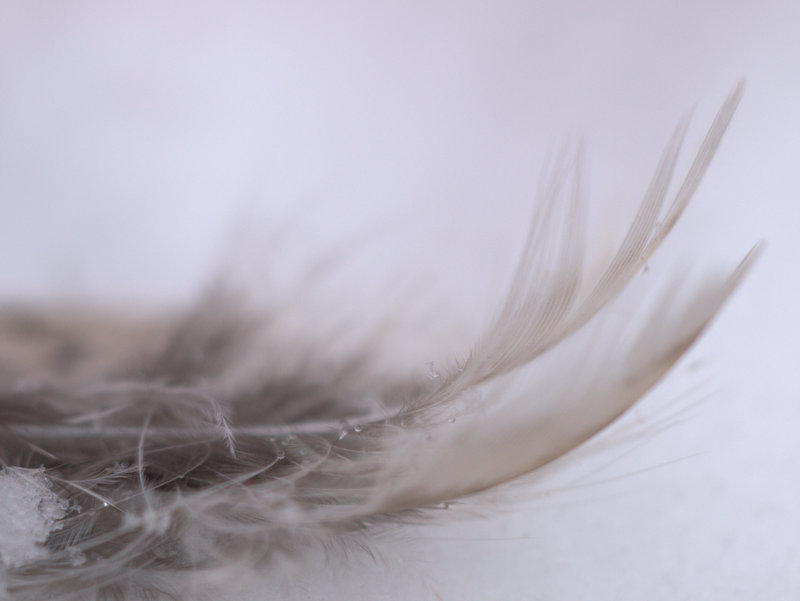
Later, I went outside. The air was cold. The sky was dense, bleached white. It felt close, as though I could reach up and touch the clouds, heavy with snow. I found the stray feathers from the birds cocooned in the snow. Left where they had been strewn. They were graceful with strong supple whiskers. They were bold and colourful in rich auburn shades and a fine tiger stripe print. But they were also little wisps of silky-soft fluffy down-like bristles. Almost invisible. As I photographed them the snow started to fall, slowly, and softly, executing perfect pirouettes downwards towards the waiting ground.
They were so fine and delicate. So fleeting.
How can something so fragile and insubstantial be also something so solid and dense, so substantial?
The glistening flakes clung to the waiting feathers and gave them new form. It seemed like a fitting tribute to those birds to capture them there somehow in that moment. In the snowfall. All that remained of the plump weight of those birds; of the blood and the guts and the organs and the flesh, was those feathers.
And soon the snow will melt as the air starts to thaw. The feathers will turn to sludge and join the mud of the earth. Their proud, shiny plumes; soft tufty barbs and fine opaque quills will wilt and fade to nothing, or maybe be carried away to nowhere, on the gust of the next windy day.

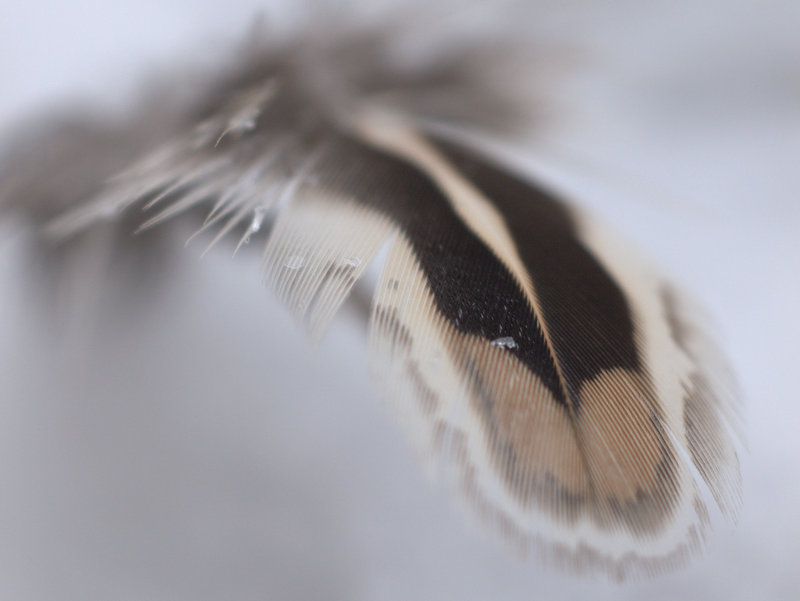


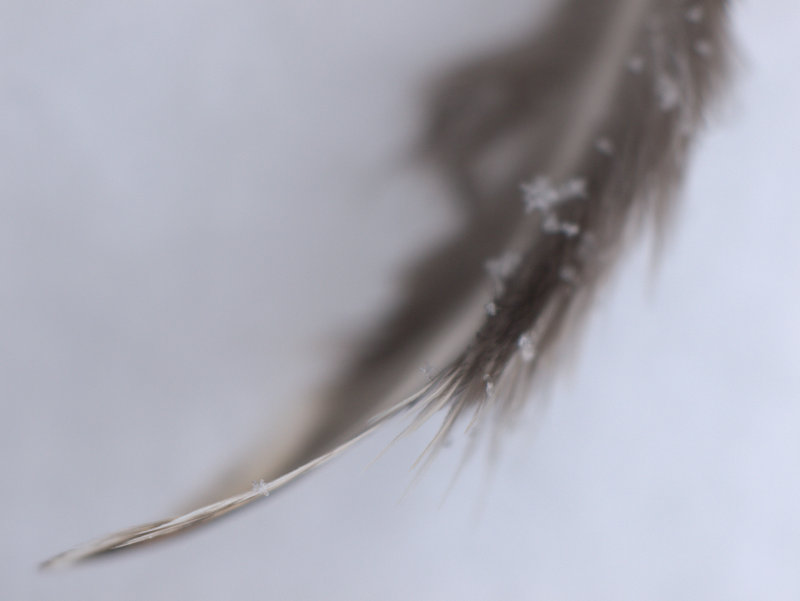

But there is still something.
There are still two.
One for a boy, one for a girl.
Strong and tall and vibrant.
Remnants.
The life, from the earth, which fed us.
A simple, hearty supper shared amongst friends.
And then, to the earth it returned.


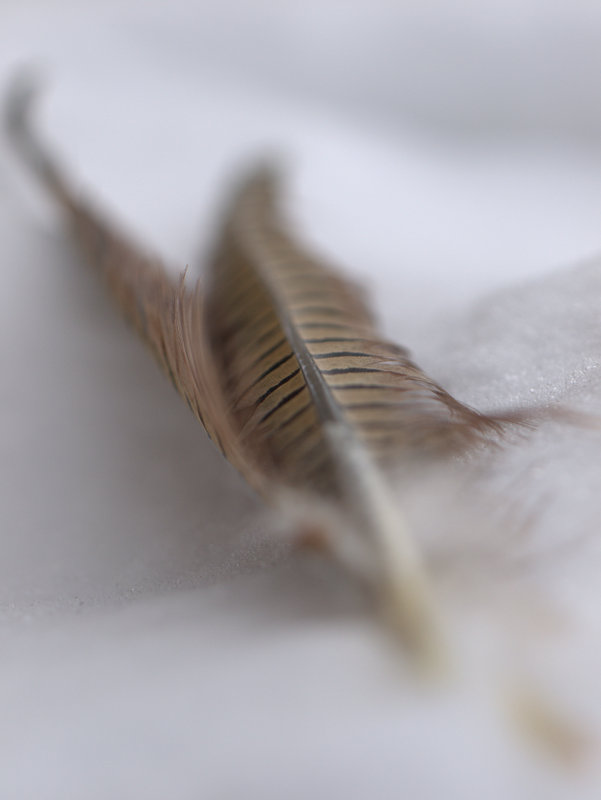
[And the girl?
Well, she ate, and enjoyed her meal.]
© images and content Emily Hughes and searchingtosee, 2013



 searchingtosee