 searchingtosee
My week with Nokia
Posted on January 19, 2013
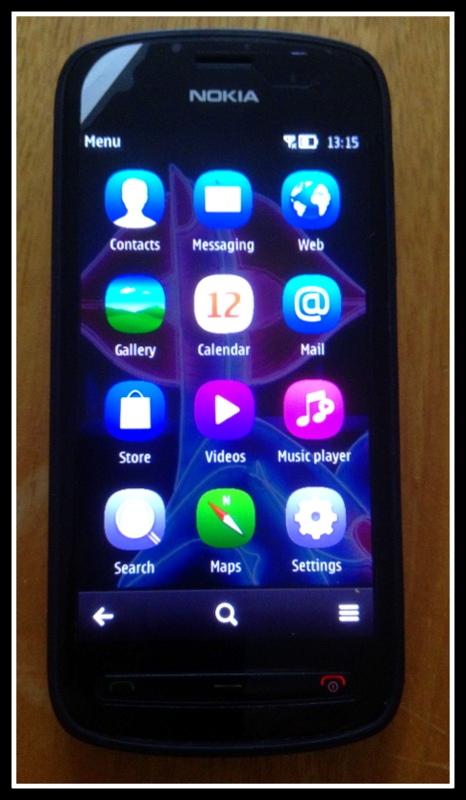
So you thought the iPhone 4s was the best camera phone ever?
Well, I thought so too. But, a friend of mine recently lent me their Nokia 808 pureview to have a play with, so I spent a week with the Nokia in my pocket instead of the iPhone, and I have to say, I was quite smitten.
For the techy types amongst you, here is exactly what is packed into its 5 x 2.5 inch frame:
- 38MP maximum resolution (in 4:3 aspect ratio – output size: 7728 x 5368 pixels)
- 1/1.2″ CMOS sensor, pixel size: 1.4um
- ISO 80-1600 (+ auto)
- Five white balance presets (including auto)
- Exposure compensation +/-4EV in 0.3EV steps
- Carl Zeiss F2.4 8.02mm lens (26mm, 16:9 | 28mm, 4:3 equiv)
- Focus range: 15cm – Infinity (throughout the zoom range)
- Construction:
• 5 elements, 1 group. All lens surfaces are aspherical
• One high-index, low-dispersion glass mould lens
• Mechanical shutter with neutral density filter - 1080p HD video (up to 25Mb/s) with 4X ‘lossless zoom’
- Stereo recording with Nokia Rich Recording – rated up to 140db
In fact, this camera has the highest resolution sensor of any camera (not just camera phones) outside highly specialised, or certain medium format equipment.
It all sounds pretty impressive, but does it take decent pictures?
Now, I have to admit, I didn’t test it to its full capacity, and I didn’t use the video function and nor did I test any of the phone functions. Just the camera.
On useability I would score the Nokia pretty well. It sits nicely in the palm although it’s quite a bit heavier than the iphone. It’s easy to take pictures either using the touch screen, or via a shutter button on the side which is quite handy and the mechanical shutter gives a nice satisfying clunky click, like a real camera. The only negative thing I would say is that it is quite close to the button which switches between camera and video, and seems to be positioned in the corner where you naturally want to place your thumb, and I did find I accidentally switched it over to video quite a few times whilst shooting which meant I ended up with video clips instead of still pictures. It’s quite a sensitive screen and easy to do, but after a while I got the hang of avoiding it.
It is definitely not as user-friendly as the iPhone, but that is partly because it is a much more sophisticated piece of kit. The quality of the lens was the thing which intrigued me. Why put a lens that good on a camera phone? I guess you could argue it’s a crazy thing to do, and there is probably only a very niche market for it, but I was keen to see how it performed. As for the high resolution, well, I am not completely convinced it is entirely necessary in a camera this size, or that it makes an awful lot of difference to the image quality in the end, but I would assume (although I haven’t tried this yet) if you were to blow these images up to a larger size the quality would be much better than that of an equivalent iphone image.
The camera has three shooting modes: automatic for point and shoot; scenes for a bit more involvement in selecting settings (but the camera still controls the main settings for you), and creative for full control over the settings (however, you are not able to adjust shutter and aperture separately). I chose to shoot in creative mode. In this mode you can adjust the ISO setting (I kept this on auto most of the time); sensor mode (I used full resolution); aspect ratio (16:9 or 4:3 – the images below were shot in 4:3); JPEG quality (I went for superfine); colour tones (see below) and capture mode (there is even a bracketing mode in which you can adjust exposure compensation as listed above, and there is an interval mode and self-timer). There is also I flash, which I tested but didn’t choose to use very much. You can adjust saturation, contrast and sharpness too, although I chose to keep these on a medium setting as I like most people prefer to adjust stuff like this later on the computer.
One quite neat feature which I found very handy (once I had worked out how to do it): if you tap the screen in camera mode it brings up the focus mode which allows you to switch between infinity, hyperfocal, close-up and automatic. I should note though that I did find the focussing quite tricky and it was the one thing which put me off the camera a bit. It seemed to struggle a lot to focus at times, especially in low lighting conditions.
I did try out all the different colour modes, though most of my shots were done on normal. I found the colour tones were nice and subtle under the flat lighting conditions created by the overcast skies we had that week.
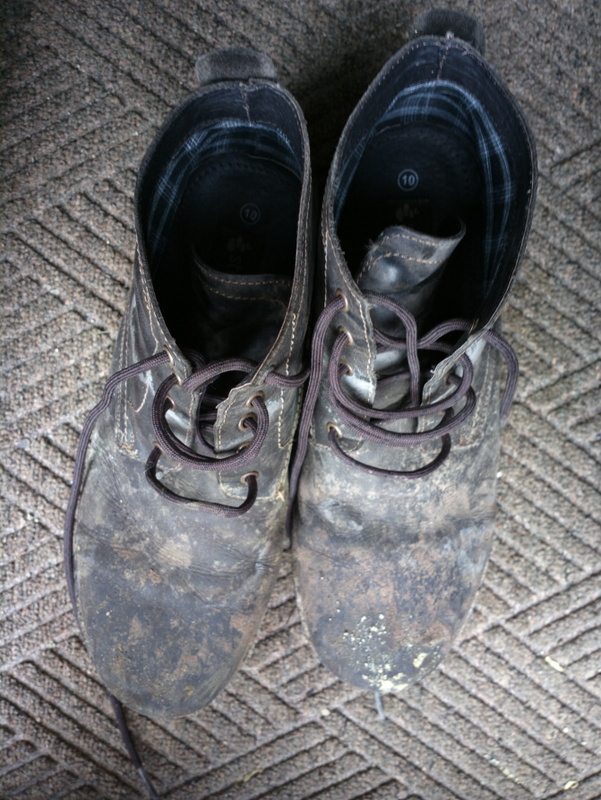
The sepia was a little too dark, and it had a slight green tinge which I didn’t really like, although in some shots it worked quite nicely.
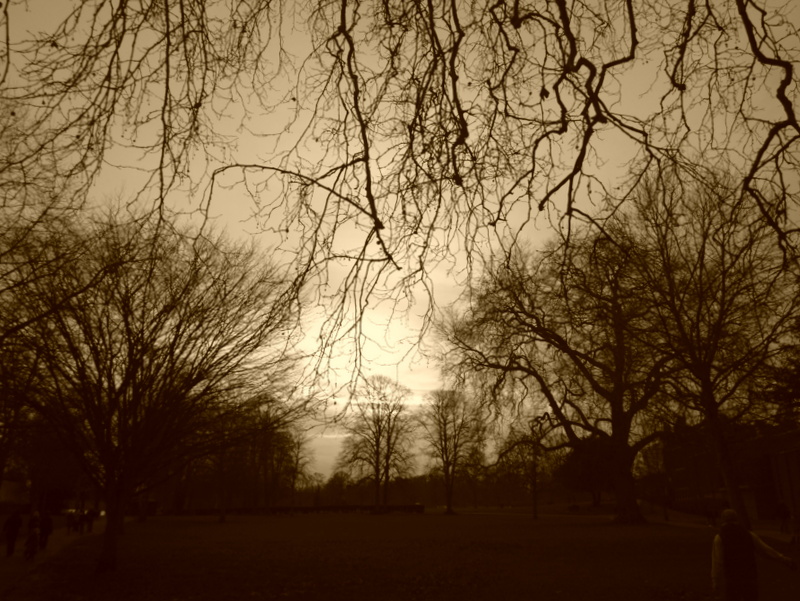
The black and white was nice, if a little too on the grey side for my liking (I tend to prefer a little more contrast, which I could have added by adjusting the contrast). I did end up using it a lot though as it lent itself quite well to the dreary grey skies.

Vivid was quite good for adding a little punch to colours. Again, if you play around with contrast and saturation you can probably get the same effect anyway.
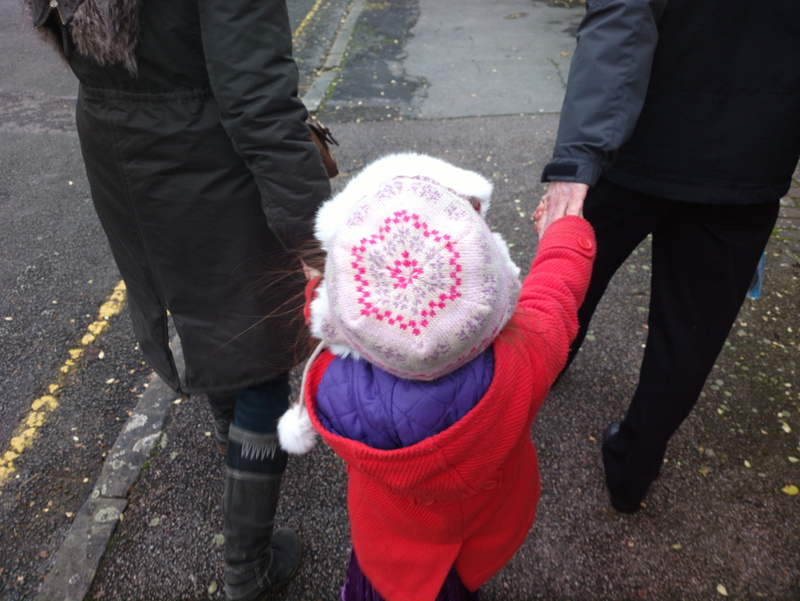
As I mentioned, I think most people nowadays tend to make their colour adjustments post shooting using photoshop or similar software, so I’m not sure of the benefit of these different options, but I guess they are fun to play with.
Most of the time I shot with the ISO on auto and the camera was fine, although in lower lighting it struggled a bit.The exposure compensation was ok, but annoyingly there is a long time delay between each shot, so it’s near impossible to get the same shot three times unless you have a really steady hand and a static subject. It’s a bit of an unnecessary feature really I think in a camera phone.
I thoroughly enjoyed my brief flirtation with Nokia. I’m not sure if I’m ready to swap it for my iphone yet, but it was fun while it lasted. Here are some of my snaps from the week (I didn’t adjust these in anyway so these are as shot):
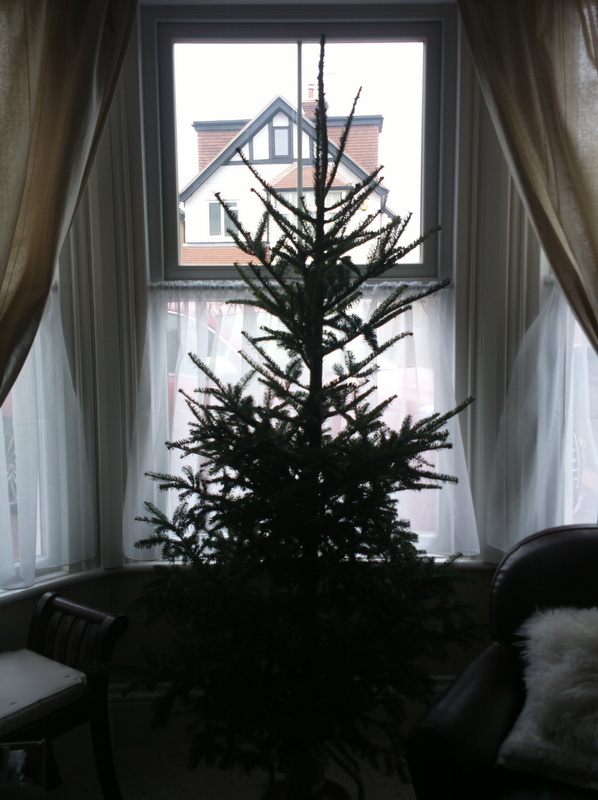


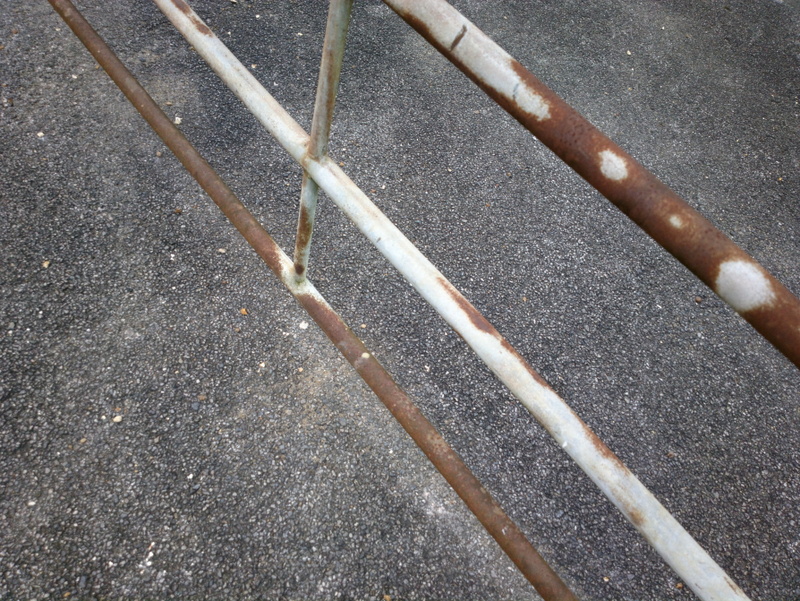


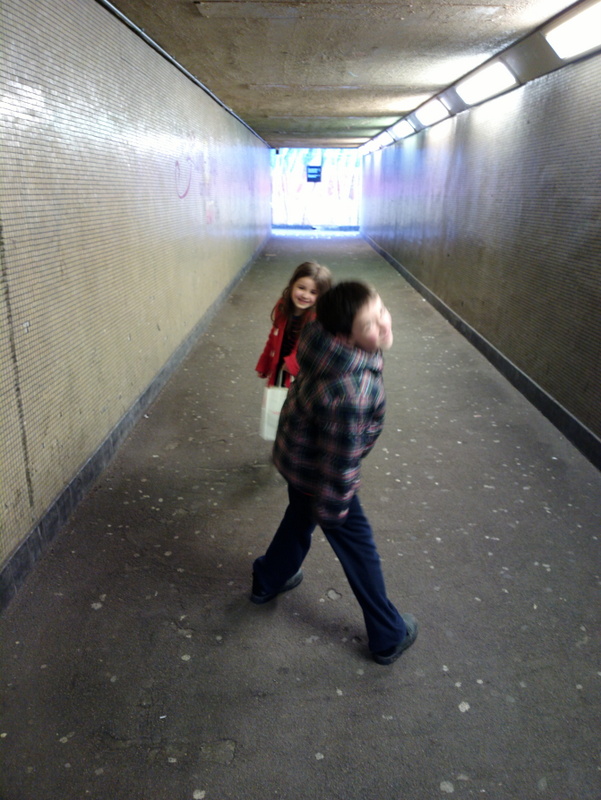
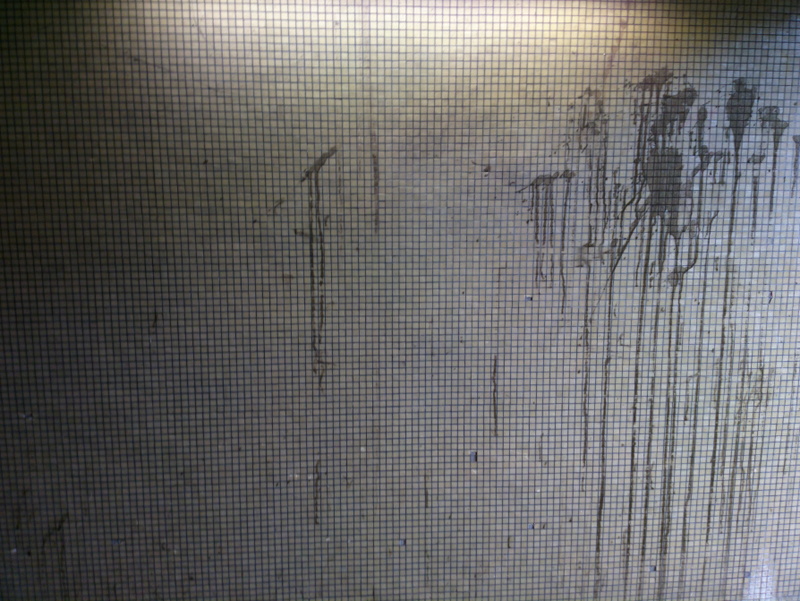




For further information on Nokia pureview technology click here.
© images and content Emily Hughes and searchingtosee, 2013
Weaving magic
Posted on January 9, 2013
Once upon a time the photographer was thought of as something of an alchemist. A shadowy, enigmatic figure who spent far too much time frequenting small, dark, windowless spaces, wearing a faint aroma of ammonia and something like salt and vinegar crisps. He* would produce beautiful images, which would appear before your very eyes – as if by magic – from blank sheets of paper. He would spend hours squirreled away, honing his craft, proliferating prints. Working away tirelessly under the dim, seedy glow of a single red light bulb.
Perhaps it is because I am currently reading a book about magic, or perhaps it is because I am looking at a lot of magical winter photographs in blogs: skeleton trees towering eerily in winter mists; bright, crisp snowy scenes and macro shots of perfectly formed snowflakes glistening like frosted jewels against a backdrop of a perfect cerulean sky. In any case, I am occupied by thoughts of magic and fantasy. January is such a dull, frugal month. I am yearning. I need to believe. I need to find some magic – some wonder – to make it sparkle for me.
I discovered these charming images by French photographer Alain Laboile whilst browsing through the blog emorfes. When I looked at them I felt that little flicker of something I can’t explain…. you know that feeling you get when something connects with you in a positive way. It’s like a little jolt of excitement which progresses into a surge of recognition, with all of your senses immediately heightened in anticipation…


images from the series Reflexion autour du bassin by Alain Laboile
… and then, afterwards, you feel a little bit more content than before and even a little bit changed. At the same time, you have understood something new about yourself. The magic has taken effect.
Perhaps it is something in the dreamlike world he creates, or the way he fuses childlike wonder with gentle humour and surreal elements. Or perhaps it is the quirky perspective; the water which casts a wobbly dreamlike haze, but which also threatens an element of danger to the happy family album: hidden depths, murky waters, a sense of foreboding…. Maybe it’s the big wide sky – more than just background it is centre stage in many images. Children while away so many hours looking up. Daydreaming. Spotting birds, aeroplanes; flying kites; climbing trees to get closer to the clouds, gazing at the moon and the stars and imagining other worlds and whether one day they might visit them. The wonder of the vast, unfathomable sky. It has the power to put us in our places on earth.
I have looked at these photographs a lot recently. I am not really sure why that is. They seem to me to re-capture a bit of that old photographic alchemy. They are not polished, or sophisticated. They are quite low-key, like snapshots, yet obviously considered. They are a constructed dreamworld. Eccentric, you could say. They have something of the air of the slightly mad, nerdy inventor about them – the one who cooks up crazier and crazier scenes whilst his excited wild children froth around him, egging him on. A kind of professor Potts of the photographic world. (I am sure I am completely wrong, by the way and this part is entirely my fabrication, but I do believe Laboile is also a sculptor, which would account for the sculptural elements featured in the photographs.)
Each picture, each little burst of magic speaks to me of its own story, weaving a narrative of a strange, fantastical fairy tale, in which dreams and imagination have leaked into our conscious world and taken hold. And the children – wild and free – are the kings and queens.
Oh, the fun they would have with our dreams.
© images Alain Laboile
© content Emily Hughes and searchingtosee, 2013
* of course, photographers can be females too 🙂
Ysabel LeMay’s Innovative Photo Fusion
Posted on January 8, 2013
I had to share because, wow, these are amazing, and actually gave me goosebumps looking at them. I can only imagine their impact “in the flesh”. Exquisite.


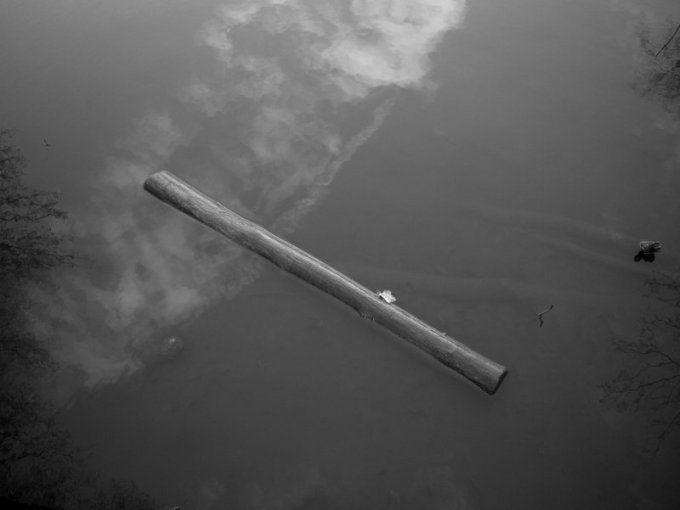

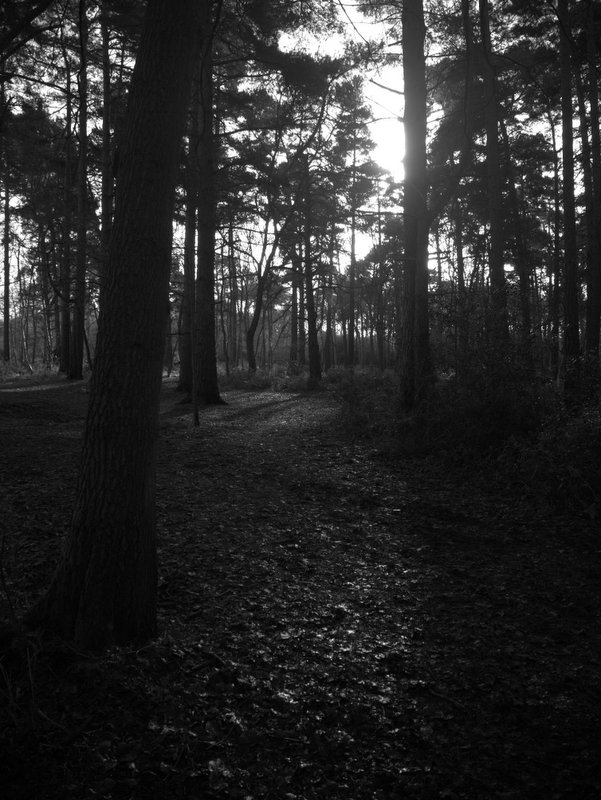
New beginnings
Posted on December 31, 2012

Hello.
I’m sorry for the prolonged absence.
The past few months have been a whirlwind. Really. Almost too much. It’s true what they say it never rains but it pours. As the swollen Thames threatens to burst its banks with the recent heavy rains, we too feel the strain and stress of taking on too much. The Christmas break was sorely needed.
But, we have a new home. It is beautiful, and it is home (can I say that again?). Home. Seven years, longer even, in a distant shadow of our dreams we held it – or we tried to – but it refused to settle. It was always “one day….”
And now we have an “ours”, a “here and now”. We have walls. How delicious are blank walls? To paint, to hang things from, to do whatever. I love walls. Solid walls.
This is the house before we moved in: a blank canvas for the cracked fragments of our mosaic lives to find form. It was a sunny October day and I was exploring the way the light played with the surfaces.
I think, also, that this was the calm before the storm (I didn’t take any pictures of the storm).
Things are fine now; establishing, settling. We’re taking root, and I’ll be back properly in the New Year. I have missed you all and I’ve really missed blogging.
Best wishes for an exciting and creative 2013 to everyone!


© images and content Emily Hughes and searchingtosee, 2012


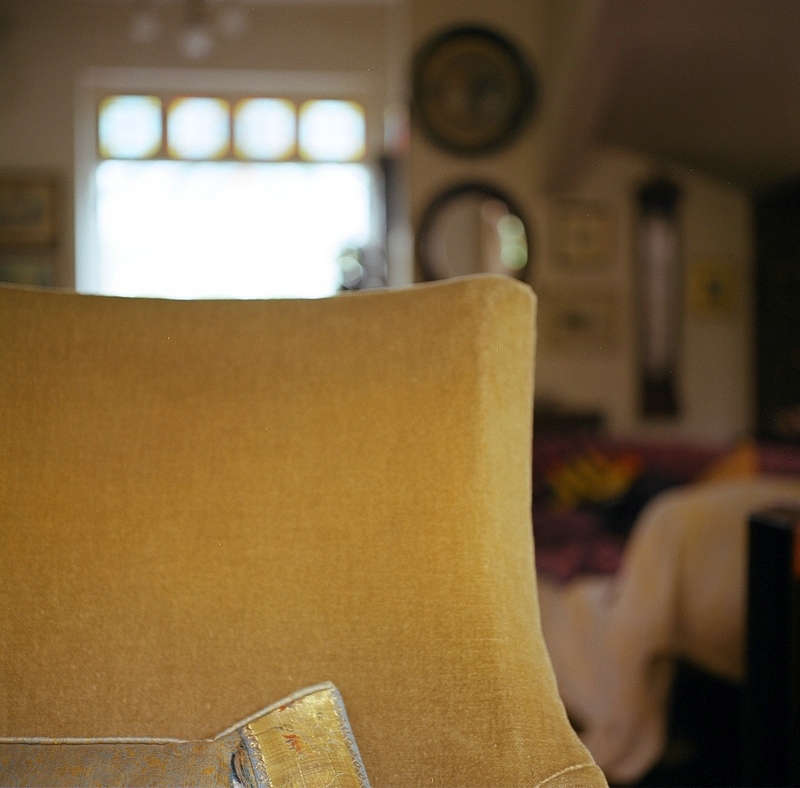
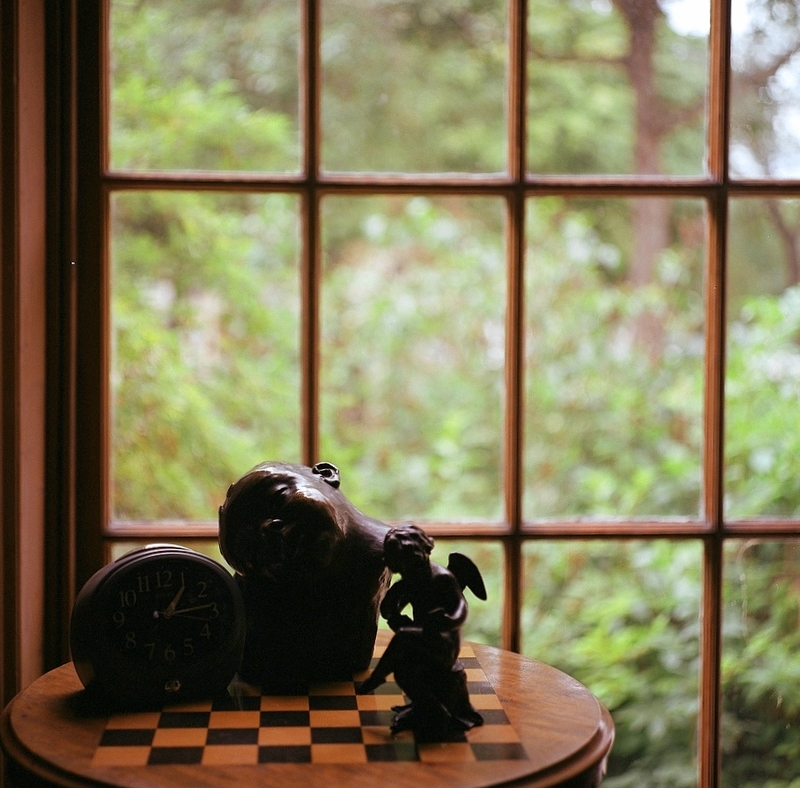
My grandfather’s sitting room
Posted on October 6, 2012




Autumn’s still
Posted on October 3, 2012
If you listen carefully you will hear the hushed still of Autumn in the breeze
If you look closely you will see quiet muffled beauty in the closeness
Nature is settling
Falling
Furling
Curling
After the buzzing vivacity of Spring
And the full heady bloom of Summer
Nature is calm and muted
Yielding
Thoughtful
Weary
Winding down
There is a soft, subtle radiance to Autumn. Soothing pastels and rich, warm tones replace vibrant hues. A gentle opalescent shimmering punctuated by
startling instants of vivid colour: the magnificent red of the rosehip, or the garish yellow of lichen, reminding us that life, nature persists. Persevering. Renewing.
 © images and content Emily Hughes and searchingtosee, 2012
A lightbulb moment
Posted on October 1, 2012
When I worked in Human Resources, many years ago, I used to regularly undergo personality tests like the Myers Briggs Type Indicator (all part of the job). I got to know myself quite well, and also unfortunately (or fortunately, depending on how you look on it) that I was in the wrong job. My favourite of these such tests was the Belbin team role type tester. I always came out as a plant, which is one of the more unusual types, and especially unusual for someone who works in an office (I did feel like a plant, albeit one a bit sad and limp, neglected and silently withering in the corner of a windowsill). The plant is the creative one in the group (read ‘oddball’ or ‘outsider’). The one who has all the ideas, often unusual which other people might not come up with. The one who may be a little unorthodox. The plant is actually so-called, I think, because in the original research one such personality type was actually planted in each team, because apparently a team cannot survive without one. This team role is depicted by a lightbulb.
 Image from http://www.belbin.com
I have probably around 10-20 ideas a day. A lot of them are fairly average and leave my mind as quickly as they enter, but I don’t know, they still just keep on coming. The lightbulbs keep pinging, fizzing and crackling in my head. I can’t stop them, and THANK GOD I now have somewhere to exorcise them regularly.
Anyhow, please let me share this idea with you (before it burns a hole in my head – it’s been with me a long while already).
I have been thinking a lot about whether photography can build layers of meaning in the way that other art mediums can. I don’t know why this bothers me so much, but it does. After all, a photograph is so wedded to its referent. When we look at a photograph do we see something new, an object in its own right, a thing, or do we just see ‘that which it depicts’? Is it just an ‘invisible’ medium, as Barthes suggests in Camera Lucida?
In his book Hockney on photography: Conversations with Paul Joyce, Hockney criticises photography for its shallow perspective on the world. He believes that it is impossible to do anything original with the medium because of its one-dimensional perspective. Having experimented with photo collage, he ultimately found it an unsatisfactory means for creative expression; too mechanical, too fixed, too much surface. Not an ‘authentic’ way of seeing. And what’s more, if in the digital age of photo-manipulation, photography can no longer be trusted to tell ‘the truth’ (whatever that might be), he suggests, during an interview with Jonathan Jones in The Guardian, we must instead turn to other means of communication, like painting to reveal it to us.
I take issue with Hockney’s view. I think he just misses the point of photography entirely. People will always take photographs and will always have the urge to record their everyday lives. This to me is just a fascinating social phenomenon. It doesn’t interest me, or most people I think whether a photograph is depicting ‘the truth’ or not. I think we can agree quite categorically that the relationship between what is true and photography has always been – and always will be – more than a little problematic.
What fascinates me, then, is what happens to these photographs; how they go on to be employed and how they filter out into different social contexts: art, social document/record, family keepsake, etc. A greater part of the meaning of any individual photograph is defined by what happens to it after it has been taken, and not what the image is of. In other words, how it is contextualised. Of course any single image may be something that could have been taken by thousands of other people (so in that sense it is not original), but it’s what happens to it next that is important. Does it go into a family album (photograph as memory, family history)? Or maybe become part of a museum archive (social document or record)? Maybe it is made into a photobook, published on a blog, on flickr, facebook, tumblr, pinterest; put to words, or utilised in some other way. Whichever path it takes it has a purpose. It becomes an everyday object. And sometimes an art object.
I think that Hockney, a painter first and foremost by practice and by training, is only able to view photography in a very one-dimensional way. Yes it is ubiquitous, and becoming more so, but it is also intriguing exactly because of this. The layers of meaning in a photograph are not intrinsic to the photograph itself, as a single image, rather in what happens to it afterwards on its ongoing journey. Photography is part of the social fabric of everyday life, and therein lies its inherent significance: as social commentary, if you like, rather than as unique art object.
Accessible to all and admired by all. Walter Benjamin applauded photography for its ability to endlessly reproduce an image. He called it ‘the ultimate democratic art form’ (in his essay “The work of art in the age of mechanical reproduction”, which can be found reproduced in Illuminations, edited by Hannah Arendt) because, through its very nature of mechanical reproduction it was so accessible to ordinary folk.

If you have been following my blog you will have noted that I am very interested in the idea of the photograph as a material object; as harbinger of history and memory and social meaning. In the introduction to Photographs Objects Histories: On the materiality of Images, Elizabeth Edwards and Janice Hart describe with great eloquence and clarity the importance of talking about materiality in photography (what phenomenlogists might call its ‘thingness’ – although Edwards and Hart are not primarily concerned with phenomenology), and what exactly this means.
Barthes is their starting point: the famous and beautiful image from Camera Lucida of him studying an aged sepia toned photograph of his dead mother from an old photograph album, desperate as he was to find an image which captured the essence of her. The Winter Garden Photograph:
The photograph was very old. The corners were blunted from having been pasted into an album, the sepia print had faded, and the picture just managed to show two children standing together at the end of a little wooden bridge in a glassed-in conservatory, what was called the Winter Garden in those days.
from Camera Lucida, by Roland Barthes (p67 of the 2000 Vintage edition)
Dog eared and time-worn, this photograph carries so much more meaning than its subject alone. It is an object in its own right; a memory, whose marks and scratches, wear and tear tell a kind of threefold story of its journey through time, the scene it depicts, and a ‘broader visual narrative’ of a photograph album (p1) in which it lived and played out its role.
A photograph is a three-dimensional thing and a physical entity, one with which it is possible to interact in a sensory way. It is subject to the rules of social exchange, production, exchange and usage, all the time gathering meaning on its trajectory (p4) rather like we humans acquire knowledge and wisdom on our journey through life. We may get a little battered and bruised along the way, but usually (I think) we emerge from the ride a little wiser, and more interesting. A photograph, therefore, is not an abstract concept, neither is it static, it moves ‘through space and time’ (p9), bearing the marks, the traces of its material existence.
Unlike an image which we view on a computer screen, a photograph-object bears an aura of something original and unique (p9). It offers a unique experience of looking – a different way of seeing altogether. I want to try to explore this further in a practical way. I, like many of you I’m sure, spend a lot of (read: way too much) time straining my eyes looking at photos on a back-lit computer screen. It’s all just so…. well, flat. I suppose. I want to get back to a photograph; some thing tactile, which I can touch, hold and respond to physically, not just visually.
 Untitled Polaroid image by Kim Unscripted, all rights reserved
I am not the only one thinking this way, of course. This is nothing new or groundbreaking I am writing here. You only have to take a look at WordPress photography blogs, or check out Flickr to see that there is a slow but rising tide of resistance against megapixels, Photoshop and everything digital photography has to offer. Not so much getting back to basics, perhaps, but getting back to something real and emotive in photography. Something which is perhaps lacking in the uniformity of a digital image?
And indeed a faded, yellowing photograph curling at the corners with age immediately evokes another era. In itself it becomes a record of time passing and a promise of the future. Like world-weary wrinkles worrying gentle rivulets of time passed; life, love, and laughter into the once new, unblemished skin of innocence. They are a record of experience lived. Something to be cherished.
I recently came across The impossible project, an enterprise which was undertaken by former Polaroid employees to rescue instant analogue film from the brink of oblivion, and to continue reproducing Polaroid film for still-functioning Polaroid cameras everywhere. They are now making exciting (although eye-wateringly expensive it has to be said) new Polaroid film such as color shade and various other special edition films.
There is something uniquely charming about the Polaroid aesthetic. That 1970s colour cast which makes us all feel – at least those of us who were there in the 70s – as if we are looking at old baby photos, which of course we now attempt to reproduce, dusting our images with a haze of ready-bottled-golden-age-nostalgia via the magic of pre-prepared filters.
Of course it wasn’t a golden age, but I think that the nostalgia has a lot to do with children of the 70s like me growing up and reminiscing about family albums. When I was little I used to spend hours pouring over our shelf of family albums. It was one of my favourite past-times. It’s true that all children LOVE looking at pictures of themselves. It helps them to develop a sense of who they are and where they belong in this big crazy world. And of course the Polaroid evokes all of that, but not only that it is also unique in itself. You click the shutter, and minutes later you actually have the image in your hands. It’s there, it’s real; you have the moment in your fingers. You have made an object which is something and will become something; a part of you, your history and your future.
So, ok, I’m finally getting around to the point of this post… the idea…
A while ago I received a letter from a blogger. It was so lovely to see her handwriting (terrible though it was – and it’s OK I can say that because she admits it!). She put lavender in the envelope. It was the sweetest card with a picture of a butterfly on it. It added a whole new dimension to a relationship of transaction of ephemeral words via the internet. Something physical passed from one person to another, across two continents. (I am also ashamed to admit that I haven’t responded yet to her thoughtful note, but I will, I haven’t forgotten, though my computer does, unfortunately seem to take priority these days).
I also read of other bloggers doing trades of artworks, and blogging collaborations. I was approached by another blogger who wanted to write some words to a series of images my husband Alex and I had taken. It’s a world of astonishing, boundless creativity, imagination and generosity I feel I have stumbled upon here where ideas find rich and fertile soil in which to breed and grow, pure clean air to breathe and boundless space to stretch, reach and aspire, or to just be, quietly and thoughtfully. It is infinitely inspiring.
I would like to try, if I can, to tap into that rich resource even further….
It’s quite simple really. I want to take a picture, print it, hold it in my hands, and send it on a journey to someone else who lives somewhere else – maybe half way across the world, or maybe in the next town – who is waiting patiently to receive it, and who will then respond to it, in whatever way they choose, and send another photograph on a journey to someone else (Sort of like those chain letters you used to get, which now get sent by email – except not actually because they are annoying and everyone always deletes them). And I want to record those journeys on a blog. I want to watch photographs being sent around the world and see and understand the different ways in which people respond to them, use them, interact with them. Maybe someone will hang one on their fridge, or use it as a source of inspiration for another picture, a poem, a piece of prose. Or maybe they will pass it on to someone else, use it in a piece of art work, or just use it as a bookmark. I want to record those photographs on their journeys, soaking up layers of meaning like paint layers. I want to see them take on history, memory, stories, which are then shared with other people.
It would be a collaborative effort. A social experiment, of sorts.
So, what do you think? Please respond using this sign-up form if you have any comments (positive or negative), suggestions, or interest whatsoever. Please. Even if it’s a very vague kind of semi-interest and you’re sitting there shrugging your shoulders and thinking: ‘yeah ok, and…?’ (You got to the end – you must be a little bit interested?)
I am in the process of setting up a new blog which people can contribute to. I will be back with more soon…
Thanks for reading this far!
Emily
Flower Friday
Posted on September 28, 2012

I missed last week. Just stupidly busy at the moment, although in a good way 🙂
I haven’t been taking many flower pictures either lately, so this is an old one from the summer. I quite like the mellow parma violet tones.
Got to dash for school pick up! Have a good weekend everyone!



 searchingtosee